


Applying Human Health Learnings to Support Swine Health, Performance
The COVID-19 pandemic served as an unplanned, real-time case study on the importance of nutrition in immune function and disease resilience. As human health researchers navigated this unprecedented global health crisis, they collected a wealth of proactive and retrospective data highlighting nutritional components that helped people through infection and recovery.
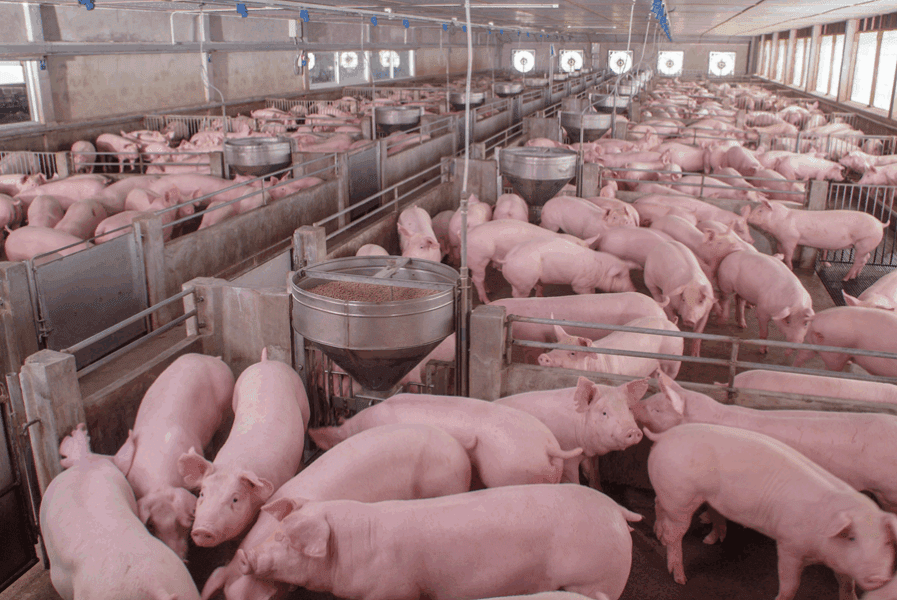
With the physiological similarities between pigs and people, particularly in their digestive systems and immune-related tissues like the thymus and gut-associated lymphoid tissue, swine nutritionists can leverage these insights to help improve pig health and performance.
The High Cost of Disease in Pigs and How Nutrition Supports Animal Health
Disease remains a significant and persistent challenge in swine production. Respiratory diseases like influenza cost producers an estimated $3.40 per pig (Holtkamp, 2014), while PRRS has been shown to cost $220-$265 per sow annually (Rentken, 2022; Zhang, 2023). These losses quickly accumulate across large herds due to frequent transport, co-mingling of pigs from various sources, and exposure to endemic viral and bacterial pathogens, which all contribute to immune stress. Keeping pigs eating consistently through these challenges is critical.
While nutrition is not a standalone solution, it provides a foundation that supports pigs in meeting their growth and health potential, including during periods of stress. For example, Sandberg (2020) reported that feeding bis-chelated copper trace minerals during a combined PRRS and influenza outbreak significantly reduced mortality and helped maintain growth performance better than conventional inorganic copper sources. Feeding higher levels of copper from wean to finish also improved average daily gain and feed efficiency.
Trace Minerals and Immune Resilience: Cross-Species Insight
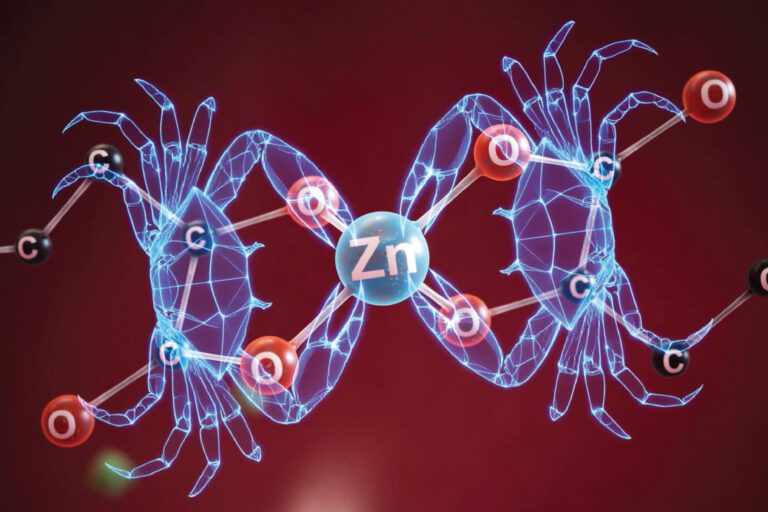
Research during the pandemic emphasized the critical roles of trace minerals, especially zinc and copper, in supporting both innate and adaptive immunity. Connor (2021) demonstrated copper’s contributions to both innate (e.g., macrophage and neutrophil activity) and adaptive (e.g., T-cell development) immune responses. Similarly, Toledano et al. (2023) explored zinc’s impact on immune system responses during disease and after vaccination, showing that adequate zinc levels helped improve immune resilience and vaccine efficacy.
These findings in human health validate long-held assumptions in swine nutrition and inspire renewed focus on trace mineral supplementation, particularly during health challenges. As such, leveraging clinical nutrition data from human medicine
enables swine producers and nutritionists to refine feeding strategies that support immune function, growth, and long-term productivity in pigs. While the pandemic may have waned, our industry should continue to critically review results and data from the field of human nutrition to advance our own learnings and strategies.
The Role of Nutrition in Supporting Immune Development in Pigs
Effective immune development begins before birth with the sow playing a pivotal role in conferring early immune protection. This means nutrition strategies must be designed for both the sow and her piglets.
Diet formulation demands attention to detail to ensure proper levels of all nutrients for growth and performance. For instance, cellular development demands energy and essential nutrients. Immune cells like macrophages and T-lymphocytes that produce antibodies require copper and zinc for proper development and function. Nutritionists may therefore choose highly bioavailable mineral sources, like bis-chelated trace minerals, which are more efficiently absorbed in the small intestine than inorganic forms1.
Structural defenses also matter. The skin and intestinal lining are key barriers to infection, their integrity is dependent on adequate amino acid levels and energy balance.
Then, during periods of disease challenge, organic acids (such as those embedded in a fat matrix to ensure delivery further in the gut than free organic acids) help support immune function while also optimizing gut health and feed conversion2.
Two feed-related trends that are emerging in the swine industry
1. Optimizing grow-finish diets with specialty ingredients to benefit the immune system and economic return.
2. Sow feeding strategies that enhance progeny immunity and performance post-weaning.
By applying nutritional science in the field, producers can enhance pig health outcomes and improve overall production efficiency.
Precision Nutrition: A Frontline Defense
Precision nutrition is gaining ground as part of the strategy to reduce disease-related economic losses. Strategies like phase feeding, dynamic amino acid balancing, and reliable mineral delivery allow producers to meet the individual nutritional needs of pigs more effectively.
Bruno Silva and colleagues have demonstrated the benefits of precision feeding: improved feed efficiency, enhanced lactation performance, and better economic returns3. While the practice is still evolving, early evidence suggests that tailoring
rations more closely to physiological needs can significantly improve outcomes in modern, high-performing swine herds.
Conclusion
Learnings from human health have validated the essential role of nutrition in immune function. For swine producers, nutritionists, and even veterinarians, these insights reinforce existing strategies and highlight new opportunities. The future of pig health management increasingly lies in proactive, science-driven nutritional programs.
References
1. Tucker et al., 2025
2. Barea, research presented at the International Pig Veterinary Society Congress, November 2020
3. Silva, presentation at NOVUS Made of More™ nutrition forum, April 2025


Intelligent Nutrition for Your Business
More science. More insight. More inspiration. More ways for you to feed the world.