


The Economics of Invisible Losses in Dairy Herds
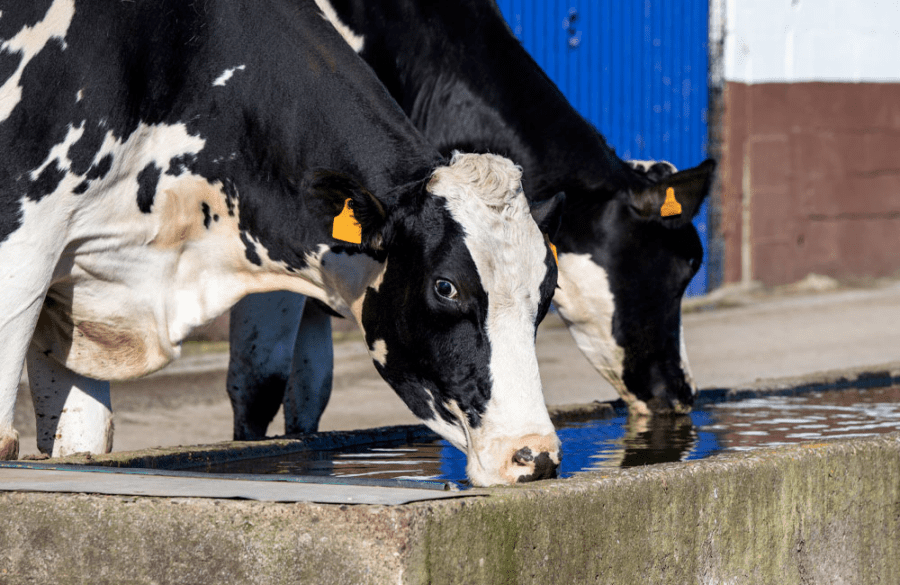
Dairy industry has always adapted to challenging conditions. However, as periods of extreme heat become more frequent and more intense, heat stress is creating a different kind of challenge, one that is not always visible in the bulk tank or on a farm’s financial statement.
Most discussions around heat stress focus on milk yield. It is easy to understand why. When temperatures rise, feed intake often declines, and milk production follows. Yet milk loss is only one part of the story
Some of the most significant impacts of heat stress are far less obvious. They occur gradually, influencing animal resilience, reproductive performance, nutrient utilization and overall herd efficiency. Individually, these changes may seem small. Together, they can affect profitability across the entire dairy value chain, from the farm to the feed mill and ultimately to the processor.
That is why heat stress should not be viewed as a seasonal management issue. Increasingly, it is becoming an economic issue.
Looking Beyond Milk Production
When cows experience heat stress, their priorities change. Rather than directing nutrients toward milk production, growth or reproduction, they must first maintain normal body temperature and basic physiological functions.
This shift affects more than production.
Nutritionists often observe changes in feed efficiency during periods of heat stress. Consultants may see reproductive performance become less predictable. Producers may notice cows taking longer to recover after periods of extreme weather. Processors can experience greater variability in milk supply and composition.
These outcomes are connected by a common challenge: the cow has fewer nutritional resources available at a time when her requirements for maintenance and recovery are increasing.
The result is a series of hidden losses that may not appear immediately but can influence performance long after temperatures begin to fall.
The Biological Cost of Heat Stress
Heat stress places considerable pressure on the animal’s metabolism. Research has shown that thermal stress can influence antioxidant status, gut integrity and nutrient utilization. As oxidative stress increases, the cow must allocate more resources toward maintaining normal cellular function.
This is where nutrition becomes increasingly important.
During periods of thermal challenge, the goal is not simply to maintain nutrient supply. The goal is to help the animal utilize those nutrients as efficiently as possible.
Methionine nutrition provides a good example.
Traditionally, methionine has been associated with protein synthesis and milk production. Today, there is growing recognition of its broader role in supporting metabolic functions associated with antioxidant activity and cellular resilience.
HMTBa, a methionine precursor, contributes to metabolizable methionine supply while also participating in pathways involved in the production of important antioxidant compounds. As interest grows in nutritional approaches that support cows during periods of environmental stress, these additionalfunctions are receiving greater attention from nutritionists and researchers.
Building a More Resilient Nutritional Strategy
Heat stress does not challenge a single biological system. It affects multiple systems simultaneously. As a result, successful nutritional programs often take a broader view of resilience.
Trace mineral nutrition is an important part of that discussion.
Zinc, copper and manganese are involved in numerous physiological processes related to structural integrity, antioxidant activity and reproductive performance. During periods of stress, maintaining the availability of these nutrients becomes increasingly important.
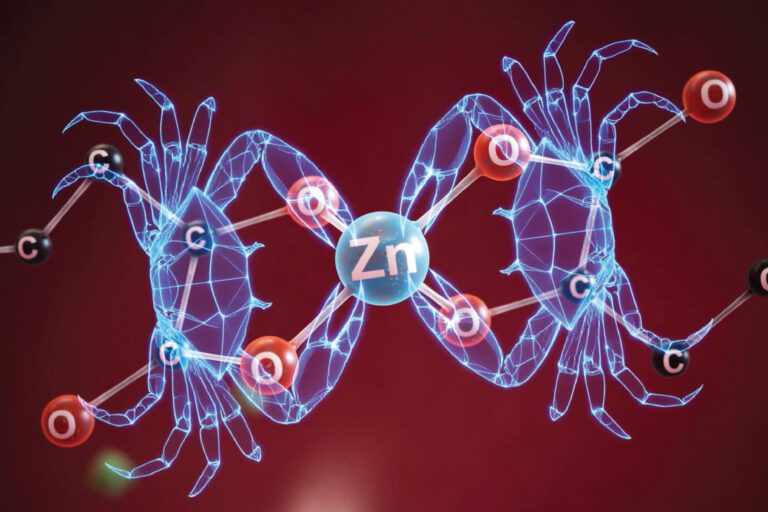
This is one reason why interest in bis-chelated trace minerals continues to grow. By providing a stable mineral structure designed to support absorption and utilization, bis-chelated trace minerals can help nutritionists formulate programs that support animal performance when environmental conditions become less predictable.
Importantly, this approach is not about adding more nutrients. It is about helping animals make better use of the nutrients they receive.
A Shared Opportunity Across the Dairy Value Chain
Heat stress affects every stakeholder connected to dairy production.
For producers, it can influence productivity and herd efficiency. For nutritionists and consultants, it creates a need for strategies that support performance under increasingly challenging conditions. Feed manufacturers are looking for nutritional solutions that deliver consistent value, while processors depend on a reliable supply of high-quality milk.
The common objective is resilience.
As climate conditions continue to evolve, the industry’s response must evolve as well. Cooling systems, ventilation and water management will remain essential. At the same time, nutritional strategies that support methionine supply, antioxidant status and trace mineral availability are becoming increasingly relevant components of a comprehensive heat stress program.
The most significant losses associated with heat stress are often the ones that go unnoticed. Understanding those hidden costs, and developing nutritional strategies that help address them, may be one of the most important opportunities facing the dairy industry today.
References:
Guo, Z., S. Gao, J. Ding, J. He, L. Ma, and D. Bu. 2022. Effects of heat stress on the ruminal epithelial barrier of dairy cows revealed by micromorphological observation and transcriptomic analysis. Front. Genet. 12:768209. doi:10.3389/fgene.2021.768209.
Lapierre, H., M. Vázquez-Añón, D. Parker, P. Dubreuil, G. Holtrop, and G. E. Lobley. 2011. Metabolism of 2-hydroxy-4-(methylthio)butanoate in lactating dairy cows. J. Dairy Sci. 94:1526-1535. doi:10.3168/jds.2010-3468.
Tucker, H. A., and A. Provin. 2020. Benefit of zinc methionine hydroxy analogue chelate to increasing tissue enrichment with dietary antagonism in Holstein calves. J. Dairy Sci. 104(Suppl. 1)


Intelligent Nutrition for Your Business
More science. More insight. More inspiration. More ways for you to feed the world.