Five New Studies at IPSF 2026 Show How Targeted Nutrition Helps Poultry Producers Get More from Feed
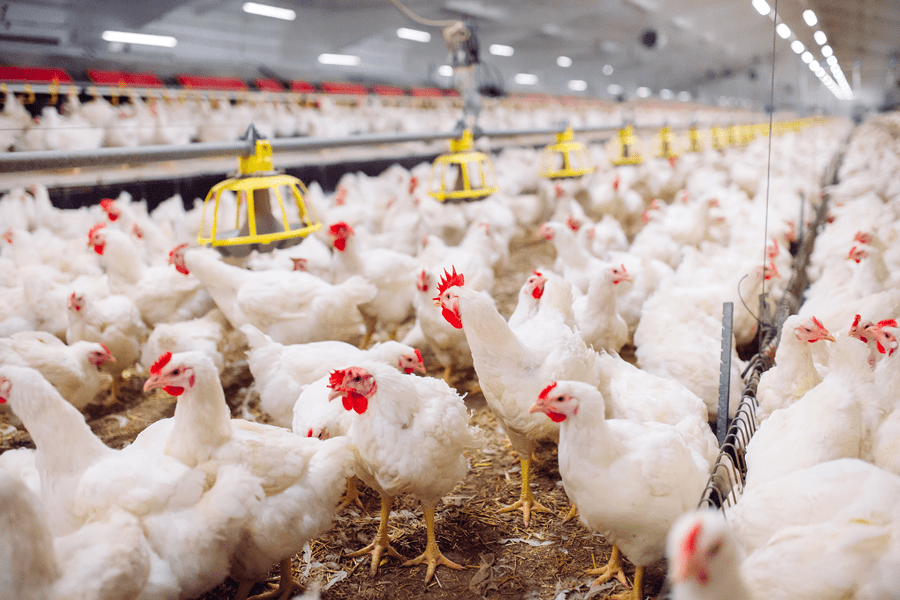
CHESTERFIELD, MO (January 19, 2026) – From variability at the feed mill to processing-level outcomes, five new studies from NOVUS and its research partners will be presented at the 2026 International Poultry Scientific Forum (IPSF). The research demonstrates how targeted enzyme and trace mineral strategies support nutrient utilization, bird performance, and carcass and egg quality. Together, the research offers a comprehensive look at how intelligent nutrition can translate into measurable value across the poultry production chain.
“Producers are under constant pressure to get the most out of every ingredient they feed,” says Rasha Qudsieh, global enzymes and microbials senior manager at NOVUS. “This research shows how thoughtful nutrition strategies, from enzyme selection to trace mineral source, can support how birds use nutrients across the entire production cycle, starting with feed formulation and extending through carcass and egg quality.”
NOVUS at IPSF Research Presentation Schedule
January 27, 2026 | Georgia World Congress Center in Atlanta, Georgia, U.S.
- Zn-Methionine Hydroxy-Analogue Chelate supplementation improves carcass quality in broilers under commercial conditions. Presented by Ana Clara Polo Ferreira of Bello Alimentos | 9:30 a.m., room B406
- Dietary protease mitigates the negative effects of trypsin inhibitors on digestive function and gut health in broilers beyond super-dose phytase – Performance. Presented by Rasha Qudsieh of NOVUS | 9:45 a.m., room B404
- Dietary protease mitigates the negative effects of trypsin inhibitors on digestive function and gut health in broilers beyond super-dose phytase – Jejunum and pancreas transcriptomics. Presented by Luis Romero of BIOFRACTAL | 10:00 a.m., room B404
- Gene expression explained the benefits of HMTBa-Chelates of Zinc and Manganese under different copper programs on broiler performance. Presented by Hugo Romero of NOVUS | 10:30 a.m., room B406
- Effects of inorganic, HMTBa-chelated trace mineral, or blended sources of zinc, copper, and manganese on the egg quality of laying hens. Poster presented by Ruth Wallace of Mississippi State University as part of the Student Competition | 4:00-6:00 p.m., room B402
Protease research focuses on soybean meal variability
A set of presentations evaluates the use of CIBENZA® DP100 Enzyme Feed Additive, a protease feed enzyme, in broiler diets formulated with varying levels of trypsin inhibitors from soybean meal. Trypsin inhibitors are naturally occurring compounds found in all soybeans that can limit protein utilization and negatively impact gut health and growth.
In a broiler study where birds were fed diets containing a high level of phytase, researchers observed that higher trypsin inhibitor levels were associated with lower body weight gain and less favorable feed conversion. When the protease from NOVUS was added to the ration, birds fed higher trypsin inhibitor diets experienced restored growth and carcass yield compared to birds that did not receive the protease.
Complementary transcriptomic research examined gene expression in the jejunum and pancreas of broilers fed the same diets mentioned above. Results showed that elevated trypsin inhibitor levels were associated with suppressed digestive enzyme expression and increased cellular stress responses. Birds fed the NOVUS protease saw supported digestive and metabolic pathways and more robust indicators of intestinal function.
Together, these findings indicate protease inclusion can help strengthen nutrient utilization when soybean meal quality is compromised by trypsin inhibitors.
Trace mineral research highlights the importance of source
Additional IPSF presentations focus on trace mineral nutrition with MINTREX® Bis-Chelated Trace Minerals. Several studies evaluate replacing higher levels of inorganic zinc (Zn), manganese (Mn), and copper (Cu) with lower inclusion rates of bis-chelated trace minerals from NOVUS.
In a broiler study evaluating different copper programs, birds fed MINTREX® Zn and Mn Bis-Chelated Trace Minerals experienced favorable growth and feed conversion responses compared with birds fed inorganic sources, regardless of copper source and amount.
“Analysis of gene expression showed that bis-chelated minerals supported metabolic pathways associated with protein accretion and energy utilization, while also demonstrating reduced tissue stress responses,” says Romero, who will present the findings at IPSF. “This means the birds’ bodies were better set up to use nutrients for growth and energy when they were fed MINTREX®. The genes that help turn feed into muscle and usable energy were more active, while genes linked to physical strain in tissues were less active. Together, this suggests the birds fed
MINTREX® were using feed more efficiently and their bodies were under less internal stress as they grew.”
In a Latin America-based trial, results from commercial field research in Brazil compared carcass quality outcomes in broilers fed lower levels of zinc supplied as MINTREX® Bis-Chelated Trace Minerals vs inorganic trace minerals. Birds receiving 40 ppm Zn as MINTREX® showed fewer carcass defects, including reductions in skin lesions and footpad issues, compared with birds fed 120 ppm zinc sulfate. These outcomes translated into fewer condemnations and more consistent carcass quality under commercial production conditions.
Lastly, layer research presented as part of the Student Competition at IPSF extends these findings to egg production. In a peak-phase laying hen study, partial or complete replacement of inorganic trace minerals with MINTREX® Bis-Chelated Trace Minerals was associated with positive measurable differences in egg quality parameters, including egg and yolk weights, demonstrating the importance of mineral source for laying hens.
Connecting research to practical nutrition decisions
“Across all of these studies, the common theme is efficiency,” says Qudsieh. “Producers are asking how they can get more value from the ingredients they already use. This research shows that matching enzyme and mineral strategies to real-world conditions can help optimize performance and result in real benefits for the producer.”
NOVUS poultry experts will be available throughout IPPE 2026 to discuss the research findings and their practical implications. Attendees are encouraged to visit the NOVUS booth (Hall A, booth 1833) or connect with their local NOVUS representative for more information.
About NOVUS
NOVUS is the intelligent nutrition company combining global scientific research with local insights to develop innovative, advanced technology that helps producers around the world get more from their flocks and herds. For more information, visit novusint.com.