NOVUS to Share Decade’s Worth of Soybean Expertise at APSS 2026
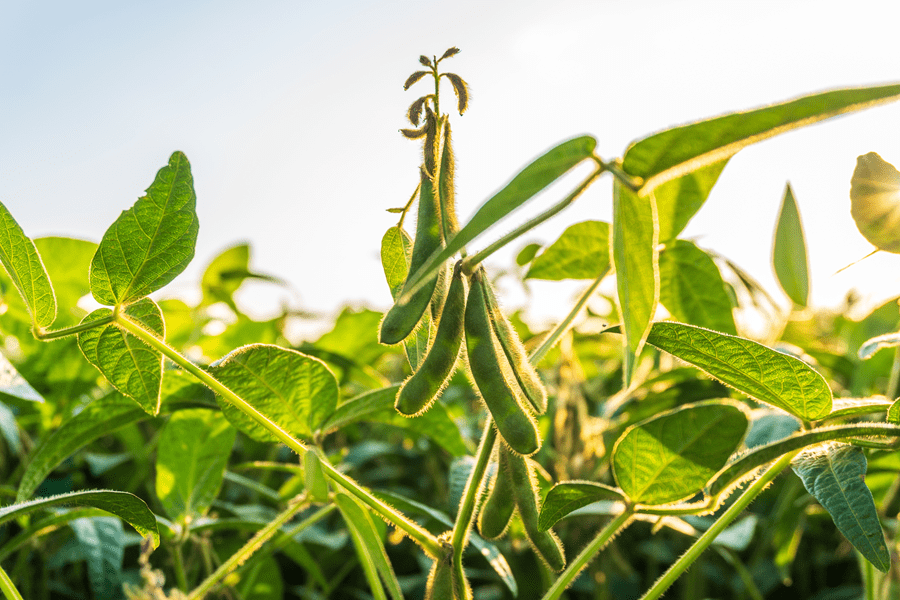
SYDNEY, AUSTRALIA (2 February 2026) – David Torres, technical service executive manager for NOVUS in Asia, will present research on how to get more from soybean meal at the Australian Poultry Science Symposium (APSS) 2026, hosted at the University of Sydney. The presentation, titled Effects of Exogenous Protease on Broiler Performance in Diets with Elevated Trypsin Inhibitor Activity, will share details on how naturally occurring proteins inside soybeans (trypsin inhibitors) limit protein utilization and the steps to reduce the risk.
“Soybeans are a critical ingredient in monogastric diets throughout the world,” Torres says. “ For over a decade, NOVUS has generated and analyzed soybean meal samples to better understand trypsin inhibitors (TI) and how to reduce their effects. Trypsin inhibitors bind digestive enzymes such as trypsin, limiting protein hydrolysis. Inadequate inactivation during processing can leave residual TI that reduces amino acid availability and feed efficiency in broilers.”
For the trial, male broiler chicks were fed one of four diets. All groups were formulated using soybean meal (SBM) and full-fat soy (FFS) with low TI levels (3.8 and 4.7 mg/g, respectively), along with 3% raw soy containing 34.0 mg/g TI.
- Positive control (PC): Diet formulated to meet breed feed specifications.
- Negative control (NC): Diet contained 5% lower levels of digestible amino acids compared with the PC.
- P250: Diet identical to NC and supplemented with protease (as CIBENZA® EP150 Enzyme Feed Additive) at 250 g/MT (150,000 protease units)
- P500: Diet identical to NC and supplemented with protease (as CIBENZA® EP150 Enzyme Feed Additive) at 500 g/MT (300,000 protease units)
The TI levels in the grower diet were 2.33 mg/g, 2.19 mg/g in the finisher diet. Mash diets were fed across three phases: starter (0 to 7 days), grower (8 to 21 days), and finisher (22 to 35 days). Body weight and feed intake were recorded at 35 days of age.
Table 1. Broiler performance at 35 days
| Parameter | PC | NC | P250 | P500 | P value | CV |
| BW | 1937.4 | 1907.4 | 1919.8 | 1910.7 | 0.0270 | 5.56% |
| Feed intake | 2839.7ᵃᵇ | 2862.5ᵃ | 2817.6ᵃᵇ | 2772.6ᵇ | 0.0495 | 9.78% |
| FCR | 1.466ᵃᵇ | 1.501ᵃ | 1.468ᵃᵇ | 1.451ᵇ | 0.0150 | 7.72% |
| FCR Adj. | 1.475ᵃᵇ | 1.515ᵃ | 1.480ᵃᵇ | 1.464ᵇ | 0.0176 | 7.73% |
| EEI | 357.2 | 333.76 | 347.76 | 351.39 | 0.1276 | 8.32% |
Results showed no differences in body weight (BW) at day 35. However, birds receiving a higher inclusion level of the protease exhibited lower feed intake and a more favorable feed conversion ratio (FCR) compared to birds fed the PC and NC diets (Table 1).
“These findings show protease supplementation can support broiler performance in birds fed soybean meal with elevated trypsin inhibitor activity,” says Lisa Jamieson, executive regional sales manager for Oceania. “Due to the high variability of TI in soybeans around the world and Australia’s reliance on imported soybean meal for its livestock industry, this research should be of particular interest to Australian poultry producers and nutritionists.”
The APSS is a leading scientific forum for poultry research in the Asia-Pacific region, bringing together industry professionals, researchers, and students to share applied science and emerging insights. To learn more or register to attend the event from 9-11 February, visit https://apss.sydney.edu.au/.
NOVUS is a global nutrition company that provides intelligent nutrition solutions for the poultry industry. Through scientific research, technical expertise, and collaboration with producers and nutritionists worldwide, NOVUS helps birds meet their growth potential.