


What Can Help When Soybean Meal Challenges Broiler Digestion?

Research continues to refine how enzyme strategies can be used to support broiler gut health and function, particularly when diets rely heavily on soybean meal (SBM), which remains a cornerstone protein source in poultry diets. Unfortunately, trypsin inhibitors (TI) in soybeans can interfere with normal protein digestion and place added pressure on the digestive system. While high inclusion levels of phytase are widely applied to support nutrient availability, questions remain about how additional enzyme solutions function alongside phytase when TI levels are elevated.
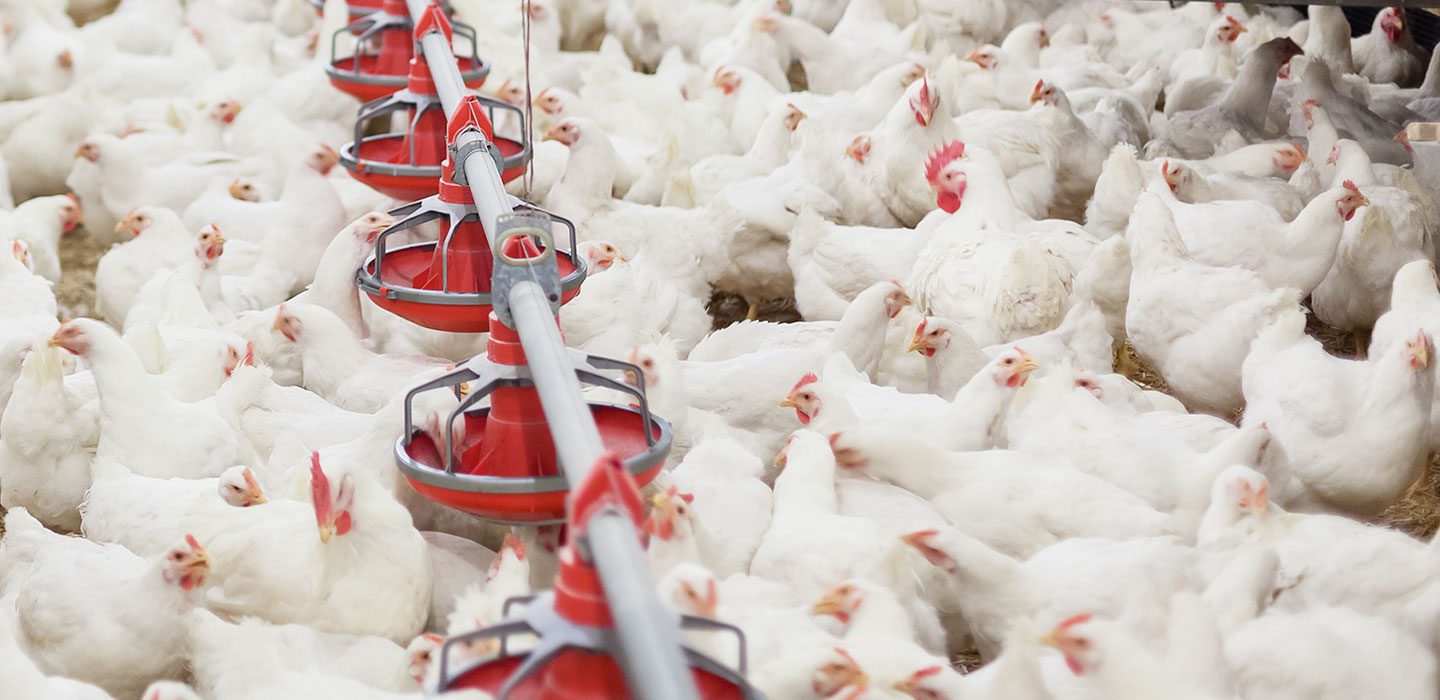
In a recent study, researchers from NOVUS and BIOFRACTAL Lda., evaluated the role of supplemental protease in corn–SBM diets containing different levels of TI, with all diets formulated to include phytase at 1,500 FTU/kg. The trial investigated whether protease inclusion could maintain digestive and metabolic function in broilers, even when phytase was already applied at a high level.
In the study, male broilers were fed diets with different TI concentrations: 1.47 mg/g and 2.57 mg/g averaged across all feed phases. They were also fed a protease enzyme (CIBENZA® DP100 Enzyme Feed Additive) at zero or 250 g/MT. Tissue samples from the pancreas and jejunum were collected at 24 days of age, and analysis evaluated gene expression linked to digestion, stress response, immune activity, and metabolic signaling.
The data demonstrated that elevated TI at 2.57 mg/g altered digestive function and activated stress-related pathways in both intestinal and pancreatic tissues. In the jejunum, that level of TI was associated with suppressed expression of genes involved in protein, fat, and carbohydrate digestion, as well as heightened immune sensing activity, such as Toll-like receptor signaling, which diverts nutrients from growth to the immune system. In the pancreas, the higher level of TI influenced pathways related to oxidative stress, activating cell replication and apoptosis, and altered insulin production and glucagon signaling, indicating broader systemic effects beyond the intestine.
When protease was included at 250 g/MT, the biological response shifted. Gene expression patterns showed restoration of digestive enzyme activity and nutrient transporter function in the jejunum, along with moderated immune signaling. In pancreatic tissue, protease inclusion supported more balanced cellular signaling, with normalization of insulin-related pathways and reduced activation of stress responses.
Importantly, these outcomes were observed even though all diets contained phytase at a high level. This finding highlights that protease and phytase contribute to gut health and function through complementary mechanisms rather than overlapping roles. While phytase supports phosphorus and nutrient release, protease plays a distinct role in sustaining protein digestion and supporting intestinal and endocrine function under challenging dietary conditions.
Together, these results show protease inclusion can support digestive efficiency and gut health in broilers fed SBM-based diets with elevated TI, even when phytase is already applied at high inclusion levels. For nutritionists and producers managing ingredient variability, this research provides new insight into how targeted enzyme strategies can support consistent intestinal function and overall gut health balance in modern broiler production systems.

Intelligent Nutrition for Your Business
More science. More insight. More inspiration. More ways for you to feed the world.