


Beat the Heat Without Missing a Step
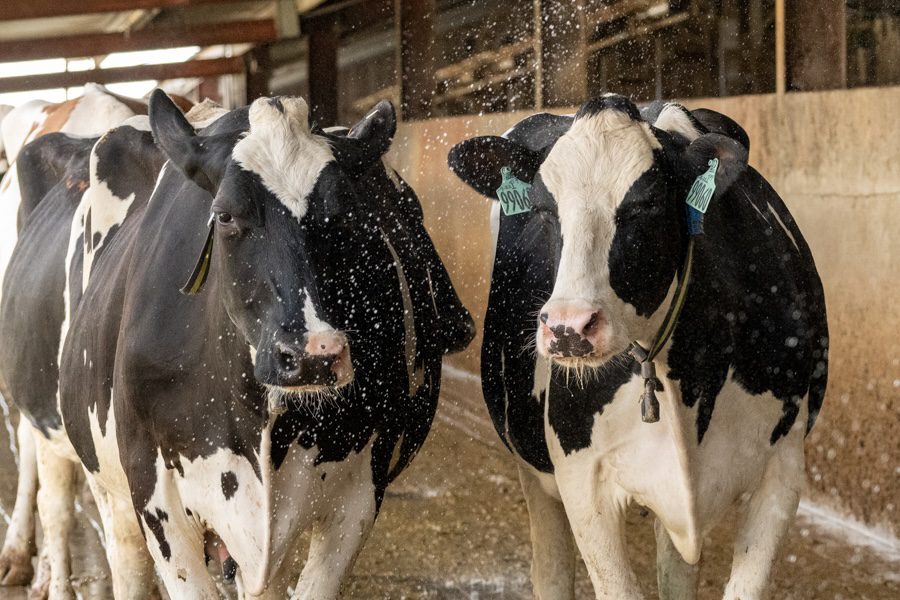
Heat stress can cost a 1,000-cow dairy tens of thousands of dollars in a single summer. Most of those losses begin before you notice any visible signs.
By the time cows are standing longer, avoiding feed, or crowding under fans, you may see less milk and breeding challenges. What seems like a short period of heat can lead to weeks of lost output and added pressure on your operation.
The Real Damage Starts Earlier
As temperatures and humidity rise, cows begin eating less while requiring more energy to maintain normal function (West, 2003). At the same time, they lose fluids and essential minerals through respiration and sweating, disrupting internal balance (Mallonee et al., 1985). This creates a gap between what the cow consumes and what she needs to perform. To cope, the cow has to work harder. This added strain can affect health, breeding, and hoof strength. Trace minerals such as zinc, copper, manganese, and selenium support these systems by maintaining normal cellular function and helping the cow respond to stress (Rezaei-Ahvanooei et al., 2025).
The Impact Does Not Stop When Summer Ends
The effects of heat stress often appear months later. During the summer when cows spend more time standing, this increases pressure on hooves. At the same time, reduced intake limits the nutrients needed to maintain and rebuild hoof tissue. Hoof strength depends on a consistent supply of nutrients, including trace minerals that support connective tissue. When that supply is inconsistent, hoof quality declines.
As a result, many operations see increased lameness, more treatment time, and additional production losses in the fall.
The Financial Loss Adds Up Quickly
Even small production changes create significant losses. In a 1,000-cow herd, losing just a few pounds of milk per cow per day can result in about 3,000 pounds of lost milk daily (West, 2003). At $20 per hundredweight, that equals roughly $600 per day or $36,000 over 60 days. When combined with lameness, reproductive challenges, and added labor, total losses can add up to $80,000 in a single summer. These losses build gradually, which makes them easy to underestimate until they become difficult to recover.
Why Nutrition Is a Key Lever
When intake drops, every pound of feed has to work harder. It is not only what is included in the ration, but what the cow can absorb and use. Research shows that the source of trace mineral can influence how effectively they are utilized, especially under stress (Rezaei-Ahvanooei et al., 2025). Cooling systems such as fans, shade, and water access remain essential. Electrolytes also support hydration and help maintain intake (Mallonee et al., 1985). At the same time, consistent delivery of key nutrients becomes more critical.
A More Reliable Way to Support Performance
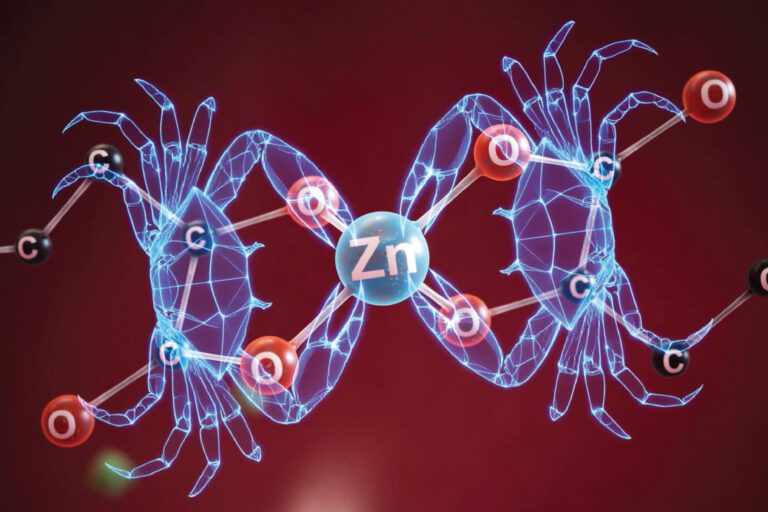
Providing trace minerals in forms that remain protected through digestion helps make sure cows get what they need every day when intake is reduced. How well cows use nutrients can support milk production, hoof health, and reproductive performance during heat stress. MINTREX® Bis-Chelated Trace Minerals are designed to support mineral stability and availability, helping cows better utilize the nutrients they consume under challenging conditions.
Protect Performance Before Losses Add Up
Heat stress cannot be avoided, but its impact can be reduced. The most effective strategies address both what you see in the barn and what is happening inside the cow. Taking action early helps protect performance, reduce downstream issues, and improve consistency across the herd.
Take the Next Step
If you want to help manage the impact of heat and support herd performance, connect with a NOVUS representative to learn how organic trace mineral programs, including MINTREX® Bis-Chelated Trace Minerals, can support your operation.

Intelligent Nutrition for Your Business
More science. More insight. More inspiration. More ways for you to feed the world.