


Future-Proof Feed Formulation Against Ingredient and Supply Chain Variability

Volatility in ingredient markets and supply chains has become a constant in feed formulation. Ingredient availability shifts, logistics costs fluctuate, and nutritionists are asked to do more with fewer resources, while maintaining performance. In this environment, formulation is no longer only about meeting nutrient specifications. It is about building resilience into the system.
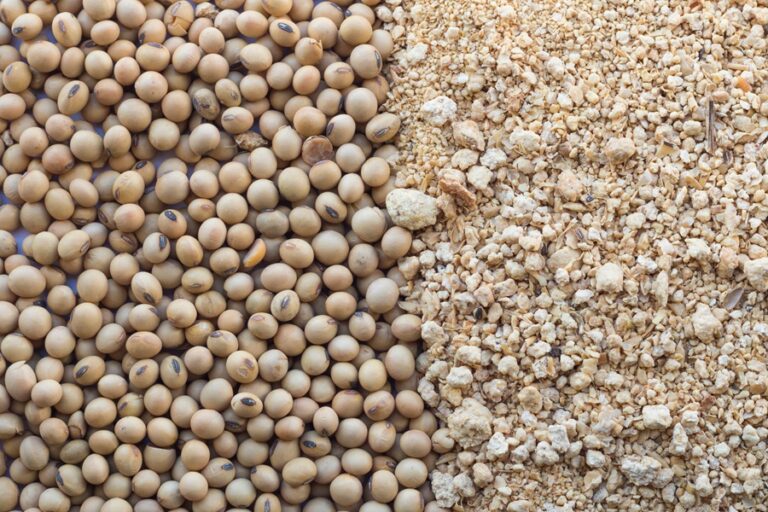
Corn and soybean meal remain the foundation of most poultry diets, yet they are also among the largest contributors to feed cost and are highly exposed to supply chain disruption. As markets tighten, nutritionists often incorporate alternative raw materials to manage cost and maintain supply continuity. However, these ingredients can introduce variability in nutrient composition, digestibility, and overall nutritional value, making it more challenging to achieve consistent performance.
A more strategic approach is not only to reformulate diets, but to optimize how nutrients are accessed and utilized. Protease enzymes play a key role in this shift. By acting directly on dietary proteins, proteases break them into smaller peptides and amino acids that are more readily absorbed. This supports nutrient utilization efficiency and helps close the gap between formulated and available nutrients.
This becomes especially relevant when incorporating alternative raw materials. Ingredients such as rapeseed meal, sunflower meal, canola meal, feather meal and others can support cost management and supply diversification, but they often introduce variability in amino acid digestibility and energy contribution. Broad-spectrum protease enzymes, with the capability to hydrolyze protein from both plant and animal sources, support more consistent protein hydrolysis across a wide range of ingredients. This enables nutritionists to unlock the value of alternative ingredients while maintaining nutritional performance.
Solutions such as CIBENZA® Protease Enzyme Feed Additives are designed to support protein digestion and amino acid release across diverse feed ingredients. Research indicates improvements in amino acid digestibility across various protein sources (Yan et al., 2013), supporting more efficient nutrient utilization under variable formulation conditions.
The practical impact for nutritionists is greater flexibility. Improved amino acid availability enables more precise formulation strategies, including the potential to optimize crude protein and amino acid levels while maintaining performance targets. This supports the use of lower-cost or alternative ingredients, reduces sensitivity to raw material variability, and helps manage overall feed cost without sacrificing performance.
As ingredient markets continue to shift, the ability to extract more value from every component of the diet becomes increasingly important. Protease enzymes offer a practical tool to help nutritionists manage variability, improve formulation flexibility, and build more resilient feed strategies for the future.
Reference: Yan, F. 2013. Effect of CIBENZA® DP100 Enzyme Feed Additive on amino acid digestibility of commonly used feed ingredients in broilers (Study 1 & 2), Internal research report, Novus International.


Intelligent Nutrition for Your Business
More science. More insight. More inspiration. More ways for you to feed the world.