


Metabolic Health in Modern Sows: The Hidden Driver of Performance
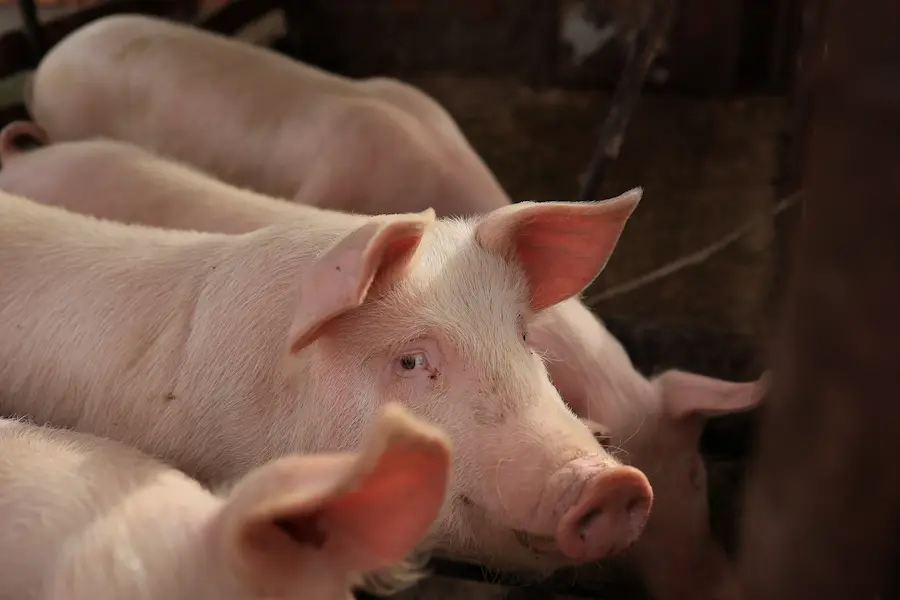
Modern sow production has made significant progress in reproductive output, with larger litters and increased piglet production becoming the norm in many systems.
However, as performance increases, so does the physiological demand on the sow. Behind many of the challenges observed in today’s herds lies a less visible but critical factor: metabolic health.
Health beyond the absence of disease
Health in modern sow systems is often evaluated through the absence of clinical issues. However, many of the factors that influence performance are subclinical and cumulative in nature.
Sows are required to cope with consecutive reproductive cycles each with significant and different metabolic and physiological demands. When this balance is disrupted, the effects are not always immediate and continue to accumulate over time, often showing up as the sow ages.
The role of oxidative stress
One of the key mechanisms underlying metabolic challenges in modern sows is oxidative stress. High levels of production increase metabolic activity, which in turn leads to the generation of reactive oxygen species. When antioxidant defenses are insufficient, this imbalance can affect:
- cellular function
- immune response
- tissue integrity
Although not always visible, oxidative stress can reduce the sow’s ability to recover between reproductive cycles and may impact consistent performance.
Research suggests that optimizing trace mineral nutrition can enhance antioxidant capacity, including increased activity of enzymes such as superoxide dismutase (SOD), which play a critical role in managing oxidative stress.
This improved antioxidant status supports the sow’s ability to cope with physiological demands and recover between cycles.
From metabolic imbalance to performance variability
Metabolic and oxidative imbalances are closely linked to variability in production outcomes.
Sows experiencing higher physiological stress are more likely to show:
- reduced reproductive consistency
- longer recovery periods and lingering performance issues
- increased risk of structural issues
These effects contribute not only to reduced performance within a cycle, but also to lower overall resilience across the sow’s productive life.
This helps explain the links between metabolic health, reproductive consistency, and long-term survivability.
The importance of nutritional support
Supporting metabolic health requires a nutritional approach that goes beyond meeting minimum requirements.
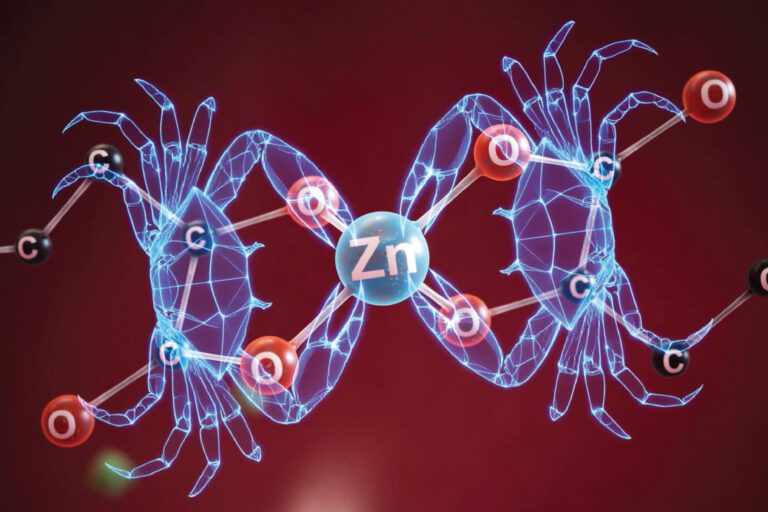
Trace minerals such as zinc, copper, and manganese play a critical role in:
- antioxidant defense systems
- immune function
- connective tissue development
However, their effectiveness depends largely on bioavailability, particularly under conditions of high physiological demand.
These biological mechanisms are supported by both experimental and commercial data.
What commercial data shows
Commercial and experimental data indicate that optimizing trace mineral nutrition can support key aspects of health and resilience.
Studies have reported improvements in immune-related parameters, including increased IgG levels, reflecting an immune-related response under challenge conditions.
In addition, enhanced antioxidant capacity and improved physiological responses have been associated with better overall performance outcomes.
Across multiple studies, sows receiving bis-chelated trace minerals have been associated with:
- improvements in structural integrity
- reduced incidence of locomotion issues
- greater consistency in reproductive performance
These outcomes suggest that improving mineral utilization can enhance the sow’s ability to cope with metabolic stress.
Building resilience in modern sow systems
Improving sow health is not about addressing isolated issues, but about supporting the animal’s ability to adapt to continuous physiological challenges.
By focusing on metabolic balance and nutrient bioavailability, producers can improve resilience, reduce variability, and support more consistent performance over time.
Maternal nutrition also plays a key role in shaping the health of the next generation.
Research indicates that piglets from sows receiving optimized trace mineral nutrition may show improved immune response, including higher antibody titers following vaccination.
This highlights the importance of supporting sow health not only for individual performance, but also for downstream production outcomes.
Conclusion
In modern sow production, health is not secondary but is a fundamental driver of performance.
Metabolic and oxidative balance determine the sow’s ability to sustain productivity across cycles and remain efficient within the system.
From an economic perspective, improved resilience translates into more consistent reproductive performance, reduced variability, and better retention – key factors influencing overall system profitability.
By supporting metabolic health through effective nutritional strategies, producers can make more informed decisions that improve both biological performance and economic outcomes on farm.
References
- Lawrence, B. V., et al. (2021). Effects of bis-chelated trace minerals on sow reproductive performance, longevity, and lifetime productivity under commercial production conditions. Journal of Animal Science, 99(Suppl. 1).
- Barea, R., et al. (2019). Effects of organic trace minerals on sow performance and longevity under commercial conditions.
- Zhao, J., et al. (2012). Improved retention rates, reduced culling for lameness, and enhanced lifetime reproductive performance in sows fed a chelated trace mineral blend. Journal of Animal Science, 90(Suppl. 4).
- NOVUS International, Inc. (2010–2023). Internal research on trace mineral nutrition, sow survivability, longevity, and lifetime productivity across commercial production systems.
- Decoux, M., et al. (2012). Effects of trace mineral nutrition on gilt immune response to vaccination.
- Acosta, J. A., et al. (2023). Effects of trace minerals on immune response and performance in challenged pigs. Journal of Animal Science.
- Mogas, T. (2025). Physiology of farrowing and lactation. In Novus International, Inc., Nutrition and Production Strategies for Today’s Sows.
- Greiner, L., & Humphrey, D. (2025). Nutrition requirements of the developing gilt and gestating sow. In Novus International, Inc., Nutrition and Production Strategies for Today’s Sows.
- Stein, H.H., & Lee, S.A. (2025). Calcium and phosphorus needs of developing gilts and sows. In Novus International, Inc., Nutrition and Production Strategies for Today’s Sows.
- Palomo Yagüe, A. (2025). Sow mortality: a practical point of view. In Novus International, Inc., Nutrition and Production Strategies for Today’s Sows.
- Piñeiro, C., & Koketsu, Y. (2025). Understanding the modern sow through data. In Novus International, Inc., Nutrition and Production Strategies for Today’s Sows.

Intelligent Nutrition for Your Business
More science. More insight. More inspiration. More ways for you to feed the world.