


Unlocking Energy Value in Poultry Diets: Strategic Use of Xylanase
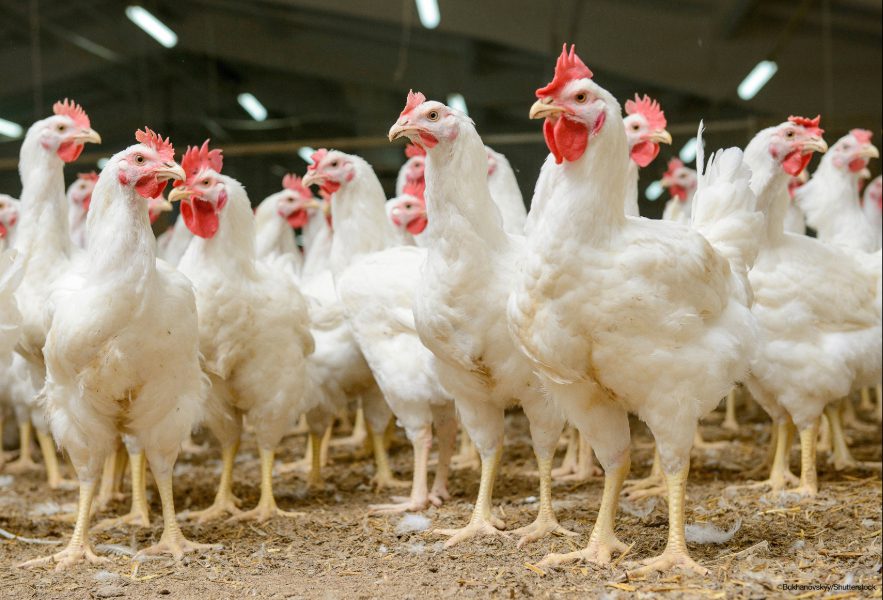
Feed represents the largest cost in poultry production, and energy is a major driver within that equation. For nutritionists and formulators, the challenge is clear. How can more energy be extracted from existing feed ingredients without reformulating the diet or increasing cost?
One answer lies in understanding the role of non-starch polysaccharides (NSP) and how targeted enzyme strategies, particularly xylanase, can unlock additional value.
The hidden barrier in plant-based diets
Many commonly used feed ingredients such as wheat, corn, and other cereals contain NSP structures. These complex carbohydrates form part of the plant cell wall and can encapsulate nutrients, limiting their accessibility during digestion. As a result, a portion of the energy and nutrients present in the diet remains unavailable to the bird.
This encapsulation effect can also increase digesta viscosity in certain diets, which further reduces nutrient interaction with digestive enzymes. From a formulation perspective, this means that the theoretical nutrient value of an ingredient is not always fully realized in practice.
Xylanase as a strategic tool
Xylanase target arabinoxylans, one of the primary NSP components in cereal grains. By breaking down these structures, xylanase helps release nutrients trapped within the plant cell wall matrix.
This process contributes to greater availability of metabolizable energy and supports more consistent nutrient utilization. In practical terms, the diet remains the same on paper, but more value is extracted from each ingredient.
For nutritionists managing tight margins, this creates an opportunity to optimize feed cost efficiency without major changes to formulation. Instead of adding more energy sources, the strategy shifts toward unlocking what is already present.
From theory to application: understanding matrix values
A critical component of enzyme use is the application of matrix values. These values represent the estimated nutritional contribution of the enzyme and allow nutritionists to adjust formulations accordingly.
However, hesitation often arises around how much value can confidently be assigned. This is where the methodology behind matrix value generation becomes important.
Two main approaches are used in the industry:
- Direct method: Based on in vivo digestibility trials, measuring the actual nutrient contribution of the enzyme in animals.
- Indirect method: Based on in vitro modeling and predictions derived from laboratory data.
The direct method, grounded in multiple rounds of animal trials, provides a more robust and practical estimate of enzyme contribution. It reflects real biological responses under production conditions.
When matrix values are derived from this approach, they offer a higher level of confidence for application in feed formulation.
Shifting from caution to opportunity
Many nutritionists remain conservative when applying matrix values, often underestimating the potential contribution of enzymes. This cautious approach can limit the economic return from enzyme technologies.
A more balanced perspective is needed. When matrix values are supported by well-designed in vivo trials, they represent a validated opportunity to extract additionalvalue from feed ingredients.
As more users integrate these values into their formulations, the cumulative benefit becomes clear. Greater nutrient utilization, better alignment between formulated and delivered nutrition, and improved feed cost efficiency.
This shift is not about taking unnecessary risk. It is about aligning formulation strategies with scientific evidence and practical validation.
Maximizing value from existing diets
The strategic use of xylanase is not simply about adding an enzyme. It is about rethinking how nutrients are accessed and utilized within the diet.
By addressing NSP-related limitations, CIBENZA® xylanases enable nutritionists to:
- Release additional metabolizable energy from plant-based ingredients
- Enhance nutrient digestibility
- Support more efficient use of feed resources
These outcomes align directly with the goal of maximizing performance while managing cost.
Moving forward
As feed ingredient variability and cost pressures continue to shape the industry, enzyme strategies will play an increasingly important role in formulation decisions.
Nutritionists are encouraged to evaluate enzyme solutions not only as additives, but as tools for unlocking hidden value within existing diets. Greater confidence in scientifically derived matrix values, particularly those based on in vivo data, can support more informed and effective decision-making.
In a landscape where every unit of energy matters, the ability to extract more from what is already in the feed is a meaningful advantage.
Liu et. al 2025 https://doi.org/10.1016/j.psj.2022.102220
Cowieson and Masey O’Neill 2013 https://doi.org/10.1080/00071668.2013.780200
Cozannet et al 2017 https://doi.org/10.3382/ps/pex084


Intelligent Nutrition for Your Business
More science. More insight. More inspiration. More ways for you to feed the world.