


Rethinking Xylanase: Unlocking Value in Corn-Based Diets

For decades, xylanase has been closely associated with wheat- and barley-based poultry diets. The rationale is well understood: Soluble arabinoxylans increase digesta viscosity, and xylanase supports the breakdown of those substrates to enhance nutrient utilization.
However, this traditional framing has unintentionally limited how the industry views enzyme value.
While wheat and barley systems remain active, they represent only part of the global picture. In many major poultry-producing regions, corn- and sorghum-based diets are more commonly used. Linking xylanase value primarily to viscosity reduction risks overlooking its broader role in these systems.
Moving beyond viscosity
Corn and sorghum diets differ fundamentally from wheat-based formulations. They contain relatively low levels of soluble arabinoxylans but are rich in insoluble forms. These insoluble non-starch polysaccharides (NSPs) do not significantly impact viscosity. Instead, they form rigid plant cell wall structures that can encapsulate nutrients.
This “nutrient cage” limits access to starch, protein, and lipids, meaning that even well-balanced diets may not fully deliver their intended nutritional value.
Historically, many xylanase solutions were developed primarily to address viscosity. As a result, their contribution to corn-based diets has often been underestimated.
Targeted xylanase expands the opportunity
Advances in enzyme design, particularly with xylanases such as those in the CIBENZA® Enzyme Feed Additive portfolio, have expanded what this enzyme can deliver.
Unlike earlier approaches, the CIBENZA® xylanases are designed to act on both soluble and insoluble arabinoxylans. This enables a broader mode of action across different diet types, supporting both viscosity management in wheat-based systems and structural NSP degradation in corn-based systems.
By targeting insoluble NSP structures, this xylanase helps break down the plant cell wall matrix and supports access to encapsulated nutrients.
Structural enhancements, such as the inclusion of a secondary binding site with a starch binding domain, increase interaction with complex substrates. This supports more efficient activity, particularly in insoluble NSP-rich diets, and contributes to more consistent performance across feed formulations.
Why this matters for formulation
If xylanase is viewed only through the lens of viscosity, its value in corn-based diets will continue to be underestimated. A broader perspective highlights its role in improving nutrient accessibility.
Targeting NSP structures can:
- increase exposure of starch and protein to digestive enzymes
- support more efficient nutrient release from feed ingredients
- contribute to greater energy utilization from the same raw materials
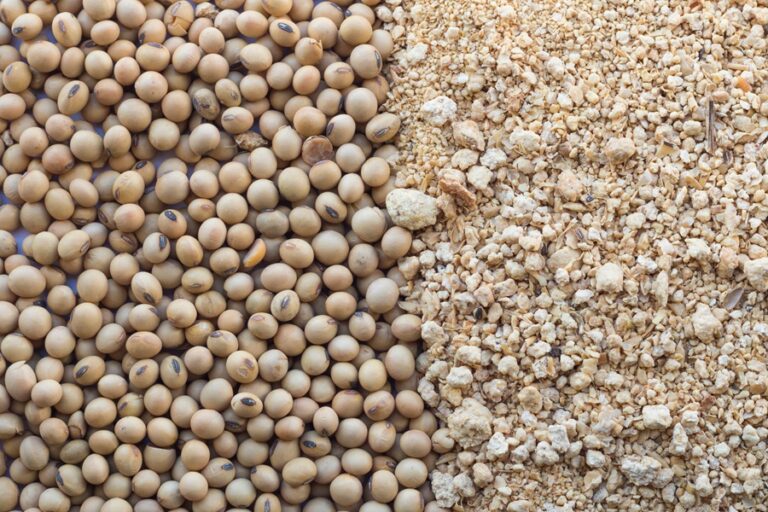
Xylans represent a significant portion of NSP content in common feed ingredients, including corn and soybean meal, making them relevant across diet types and logical target for improving nutrient utilization.
A broader view of xylanase value
The question is no longer whether xylanase works in corn-based diets. It is whether the right type of xylanase is being used.
The CIBENZA® xylanases represent a more advanced approach, one that aligns enzyme function with substrate reality. By working across both soluble and insoluble NSPs, it enables a more consistent strategy regardless of feed composition.
For nutritionists, this means moving from a diet-specific view of enzymes to a mechanism-based approach. The opportunity to recognize how far the xylanase technology has evolved and to align it with how nutrients are structured in your diet.



Intelligent Nutrition for Your Business
More science. More insight. More inspiration. More ways for you to feed the world.