


HMTBa for Transition Cow Support
Methionine plays a central role in supporting cow physiology during the transition period. As a methyl donor, methionine contributes to key metabolic pathways, including liver function, oxidative balance, and immune support. These functions are essential for maintaining energy balance and overall productivity in transition cows.
During the transition period, cows often experience metabolic stress due to increased nutrient demands and reduced dry matter intake. When methionine supply is limited, hepatic lipid metabolism can become less efficient, which may influence performance during early lactation. Ensuring an adequate supply of metabolizable methionine helps support metabolic adaptation and enables cows to maintain their production potential.
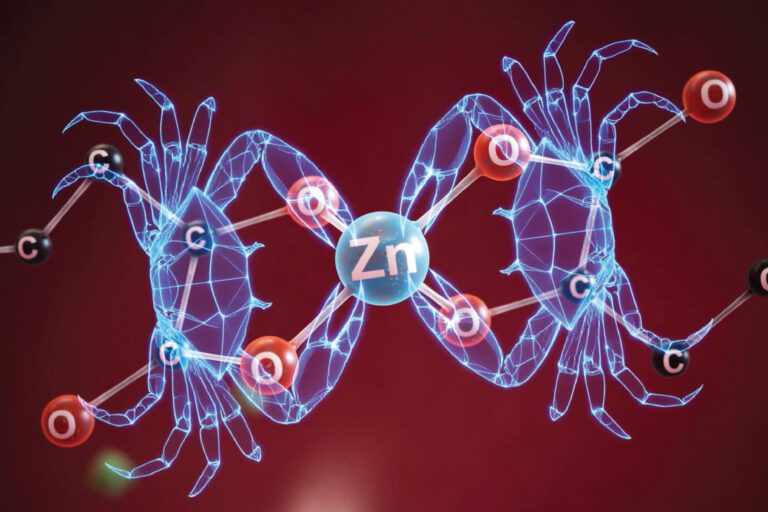
MFP® Feed Supplement contains HMTBa, a hydroxy analogue of methionine, a methionine precursor.
When supplied through MFP® Feed Supplement, HMTBa provides a consistent source of methionine that is absorbed across the lower gastrointestinal tract and converted to L-methionine. This supports both metabolic function and milk production.
Research has shown that supplementing transition cows with HMTBa can support performance outcomes during early lactation. Cows consuming diets containing HMTBa, produced approximately 3kg more milk per day during the first 84 days. (Piepenbrink et al., 2004).
These findings highlight the importance of methionine nutrition in maintaining production during the transition phase, the 21 days prior to calving
MFP® Feed Supplement optimizes ruminal fermentation by increasing the diversity of rumen microflora and helping sustain normal rumen biohydrogenation pathways. Biohydrogenation is the process of converting unsaturated fatty acids to saturated fatty acids. During this process, HMTBa downregulates the fatty acid pathway that causes milk fat depression, promoting milk fat production.
In addition to production benefits, methionine contributes to maintaining liver health and supporting immune function. This is particularly important in early lactation when the challenges to liver function and the immune system are at their greatest.
By incorporating a methionine source such as HMTBa through MFP® Feed Supplement, producers can support transition cows through this challenging period. This approach aligns with nutritional strategies focused on maintaining metabolic balance, sustaining performance, and supporting overall herd productivity.
References:
Piepenbrink, M. S., et al. 2004. Feeding 2-hydroxy-4-(methylthio)butanoic acid to periparturient dairy cows improves milk production. J. Dairy Sci. 87: 1073-1083.


Intelligent Nutrition for Your Business
More science. More insight. More inspiration. More ways for you to feed the world.