


Where Value Is Lost Before Anyone Notices
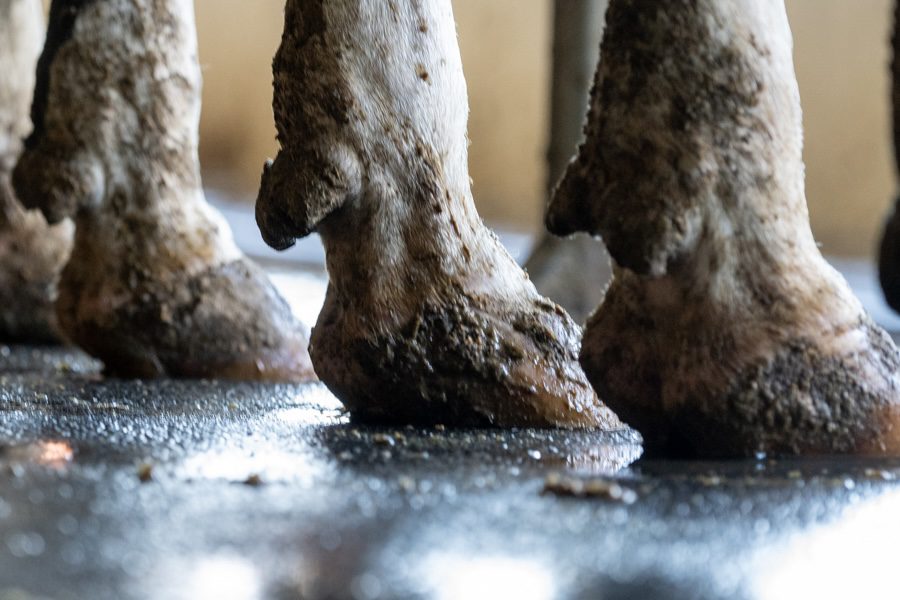
Most lameness problems do not begin with a visible limp.
Lameness begins quietly, at the tissue level where hoof horn formation and structural resilience is decided. By the time a cow visibly favors a foot, the biological process behind that pain has been developing for weeks and months.
That is what makes lameness so costly. The visible case is often not the beginning of the problem. It is the result of accumulated inflammation and structural damage in the legs, joints, hooves, etc.. Once a cow has been identified as lame, it becomes costly to manage and sometimes, she must be culled from the herd altogether. Globally, lameness is estimated to cost the industry a total of $6 billion USD a year, tens of thousands of dollars per farm.
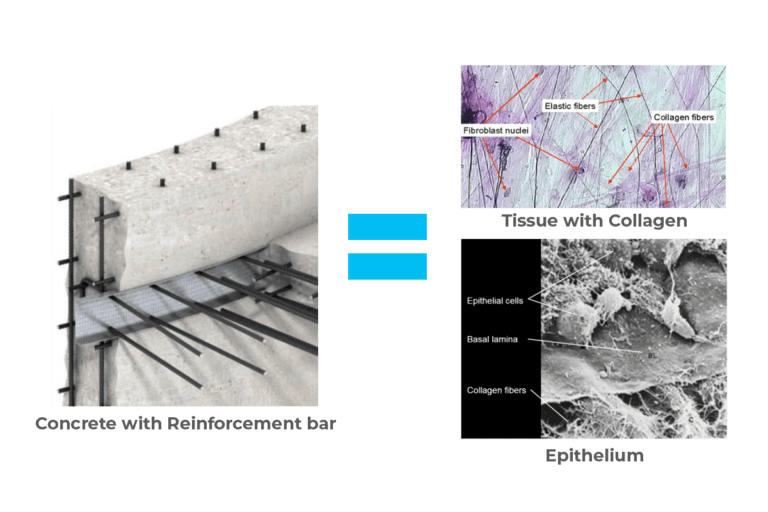
The hoof is living tissue. It is built from keratin and reinforced by collagen and cartilage, similar to concrete rebar. For that structure to remain strong, cows depend on proper trace mineral balance, creating a stable immune and oxidative environment. Zinc, copper, and manganese all contribute to keratin production through activating enzymes at various stages of keratinization. When nutrient balance or stress disrupts that system, horn quality can gradually decline.
This decline is rarely dramatic. It is incremental.
Because hoof horn grows approximately five millimeters per month, the sole you see today reflects conditions from two to three months ago. If lesions appear in February, the biological shift may have started in November after standing long hours over the summer due to heat stress or Routine practice of overstocking. That delay creates a management blind spot. We respond to the lameness we see, but often the cause begins earlier.
Economic loss follows the same quiet progression. Lameness does not start costing money at treatment. It can begin with mild structural pain that changes behavior. A shorter stride, a cautious turn on concrete, or increased standing time after milking may not affect milk production immediately. However, these changes can increase claw pressure, elevate inflammation, and gradually influence longevity and culling risk.
Proactive management is the gold standard followed by notice early signals before severe lameness occurs. Observation does not require lifting every hoof. Instead, consistency and attention to cow behavior are key. Stand at the parlor exit and watch the entire pen of oldest, highest producing cows walk back. Look for subtle shortening of the rear stride, reduced hoof lift, or hesitation at turns, all of which can indicate mild lameness. Approximately sixty minutes after milking, observe pen behavior. Are more cows standing than expected? Are they shifting weight frequently? During pen moves, does group flow seem slower or less confident?
Nutrition plays a significant role in supporting structural integrity, alongside proper management. When trace minerals are more bioavailable to the animal, hoof hardness and resilience are supported. Some operations evaluate mineral sources, including chelated trace minerals such as MINTREX® Bis-Chelated Trace Mineral, as part of a broader hoof health management strategy.
If you would like support evaluating your current strategy, connect with your local NOVUS representative to discuss nutritional strategies, mineral bioavailability, and practical on-farm observation techniques. You can also download the Observational Checklist to help your team identify mild mobility changes before they become costly severe lameness cases. Small insights, applied consistently, can protect hoof health, productivity, and long-term herd value.
1 Bjurstrom, Aerica. “Lameness Risk Landscape.” Dairy, 2018, dairy.extension.wisc.edu/articles/lameness-risk-landscape/.
Download the Observational Checklist now by filling out the form below:
Intelligent Nutrition for Your Business
More science. More insight. More inspiration. More ways for you to feed the world.