


Rethinking Copper Nutrition: More Is Not Always Better
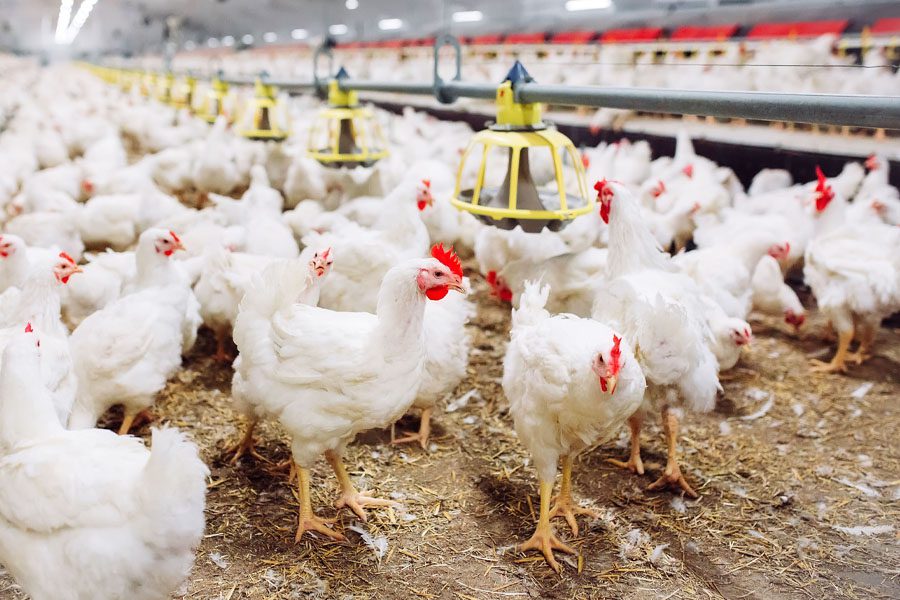
Copper nutrition is often discussed in terms of inclusion rate. Parts per million tells us how much copper goes into the feed, but it does not necessarily tell us how effectively copper moves through the bird or the biological response it supports.
That distinction matters.
In NOVUS broiler research, 30 ppm copper (Cu) from MINTREX® Cu Bis-Chelated Trace Mineral supported body weight gain (BWG) and feed conversion ratio (FCR) comparable to 125 ppm Cu from tribasic copper chloride (TBCC) under the same research conditions.¹
That raises a more useful question for poultry nutritionists:
Instead of asking only, “How much copper am I feeding?” we should also be asking, “How much of the copper provided can the bird utilize?”
Copper does more than meet a requirement
Copper is an essential nutrient involved in normal antioxidant systems, normal immune function, energy metabolism and structural tissue maintenance.
Before copper can support those functions, it must pass through a complex gastrointestinal environment.
Changes in pH, interactions with dietary antagonists and the mineral source itself can influence availability. That means copper programs supplying different amounts or different sources should not necessarily be expected to behave the same way inside the bird.
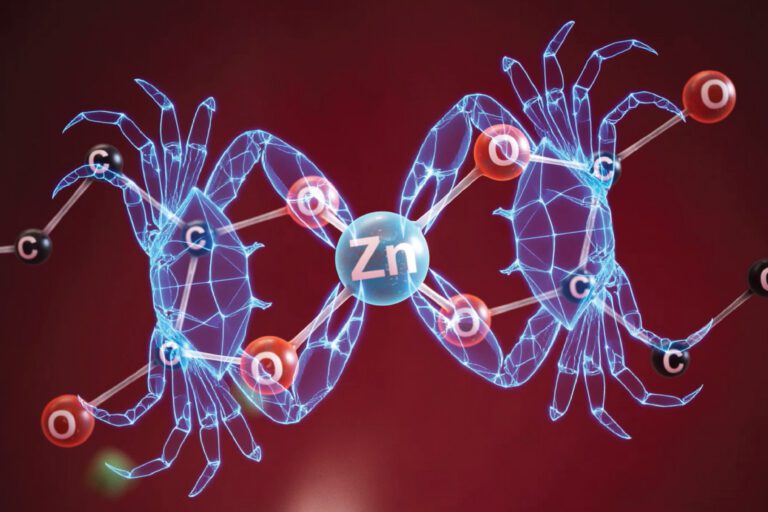
MINTREX® Cu Bis-Chelated Trace Mineral is a bis-chelated source of copper in which the mineral is bound to two molecules of HMTBa [copper bis(-2-hydroxy-4-methylthio) butanoate], a methionine precursor. This molecular structure is designed to help maintain stability through the gastrointestinal environment and support copper availability at the site of absorption.²
The practical implication is simple: inclusion rate is important, but it is only one part of the whole story.
What happens when we feed less copper from a different source?
Researchers examined that question in a 56-day broiler study comparing several supplemental copper programs, including 125 ppm Cu from TBCC and 30 ppm Cu from MINTREX® Cu Bis-Chelated Trace Mineral, as well as programs in which supplemental copper was reduced at each production phase.¹
Despite the difference in supplemental copper inclusion, BWG and FCR were statistically comparable between birds receiving 30 ppm Cu from MINTREX® Cu Bis-Chelated Trace Mineral and those receiving 125 ppm Cu from TBCC under the conditions of the study.¹
NOVUS then looked beyond a single experiment.
A meta-analysis combining hundreds of observations from multiple datasets found no statistical difference in BWG between birds receiving 25-30 ppm supplemental Cu from MINTREX® Cu Bis-Chelated Trace Mineral and those receiving 125 ppm supplemental Cu from TBCC. FCR was also similar between the two programs during the starter and grower phases.¹
The significance is not simply that one program contained fewer ppm.
It is that inclusion rate alone did not predict the biological performance response.
Follow the copper
Performance measurements tell us what was observed in the bird. Measurements inside the gastrointestinal tract can help us understand what happened to the copper.
In the 56-day study, birds receiving the evaluated MINTREX® Cu Bis-Chelated Trace Mineral program had lower copper concentrations in jejunal and ileal digesta than birds receiving the TBCC comparator program.¹ At day 14, liver copper concentrations were comparable between the two programs.¹
That creates an important distinction between copper supplied and copper remaining in the intestinal digesta.
Researchers also reported differences in selected microbial populations. Birds receiving the evaluated MINTREX® Cu Bis-Chelated Trace Mineral program had greater populations of Lactobacillus and Clostridium Cluster XIVa compared with birds receiving the TBCC comparator program under the evaluated research conditions.³
These findings add another dimension to copper program evaluation. Nutritionists can consider not only how much copper is supplied, but also how copper source may influence what happens within the gastrointestinal environment.
From copper quantity to copper efficiency
For decades, increasing supplemental copper has been one way of pursuing responses beyond meeting the animal’s nutritional requirements.
But more copper entering the diet is not automatically the same thing as more value being created by the bird.
NOVUS research suggests a different framework for evaluating copper nutrition, one that considers source, molecular structure, mineral availability, and biological response. ¹
That does not make inclusion rate irrelevant.
It makes inclusion rate incomplete.
The next evolution in copper nutrition may therefore be less about asking how much copper we can put into a diet and more about understanding how effectively copper can be delivered and made available.
Because when it comes to copper nutrition, efficiency, not excess, may be the more meaningful measure.
Feeding levels and results described in this article are based on specific NOVUS research conditions and are not feeding recommendations. Product availability, feeding recommendations, and permitted claims vary by region. Consult local NOVUS technical and regulatory representatives before use.
References
- NOVUS. MINTREX® Cu Bis-Chelated Trace Mineral broiler research and meta-analysis. NOVUS data on file. Adekoya et al., 2025.
- NOVUS. 2024. “Safeguard Your Mineral Investment.” MINTREX® Bis-Chelated Trace Minerals technical brochure.
- Juxing, C. 2017. Green Acres Broiler Microbiota Study. B02IJC016045. Research evaluated microbial populations in challenged broilers receiving MINTREX® Cu Bis-Chelated Trace Mineral compared with conventional copper sources.


Intelligent Nutrition for Your Business
More science. More insight. More inspiration. More ways for you to feed the world.