


Survivability and Longevity in Modern Sow Production Systems
Introduction
Why do high-performing sows often leave the herd early?
Why do removals so often occur suddenly in animals that were productive just days to weeks before?
Importantly, why does sow mortality so frequently become not only a biological and economic issue, but also a human one, adding an emotional and physical burden to production team members?
These questions reflect a reality seen across modern sow systems. Survivability is rarely the result of a single failure. It is the outcome of cumulative physiological pressure, structural wear, and limited recovery capacity over time.
Modern sow production systems have achieved remarkable gains in reproductive output. However, these productivity gains have been accompanied with decreased sow longevity and lifetime productivity. Survivability and endurance have therefore become centrally limiting factors in the efficiency and sustainability of sow herds
High replacement rates, involuntary culling and sow mortality leading to average parity at removal of less than 4 result in elevated production costs and prevent herds from fully capturing the lifetime genetic potential of modern sows. As discussed in the Novus Book: “Nutrition and Production Strategies for Today’s Sows”, survivability should not be understood only as the absence of mortality but as the ability of the sow to remain productive across successive parities while coping with increasing physiological demands.
Survivability in modern sow systems beyond mortality
In commercial production systems, sow survivability is often evaluated using mortality figures alone. However, this approach fails to capture the full biological and economic impact of early removals and involuntary culling. Poor retention beyond the early parities contributes substantially to reduced lifetime productivity even in herds with relatively lowmortality leading to an expensive weaned pig cost.
The chapter “Sow mortality: a practical point of view” describes survivability as the outcome of cumulative physiological challenges rather than isolated events. Factors such as metabolic load, loss of body condition, reproductive difficulties and limited recovery capacity interact over time and determine whether a sow remains productive or exits the herd prematurely.
From a biological perspective, endurance refers to the sow’s capacity to repeatedly withstand demanding reproductive cycles without compromising structural integrity, reproductive function, or long-term productivity.
Hyperprolific sows and physiological pressure
The development of highly prolific genetics has fundamentally changed the physiological profile of the modern sow. Larger litters and increased milk production lead to higher nutrient requirements and place sows under sustained metabolic pressure, particularly during late gestation and lactation.
The physiology and nutritional management of highly prolific sows has been described as operating closer to physiological limits. When nutritional and management strategies fail to adequately support these demands, sows may experience excessive mobilization of body reserves, delayed recovery between cycles, and increased vulnerability to reproductive and structural failure.
Over time, these physiological pressures reduce endurance and increase the likelihood of early culling, thereby shortening productive lifespan and reducing lifetime output.
Survivability as a driver of lifetime productivity
Lifetime productivity is a core concept developed across both Sow Books. It emphasizes that maximizing annual reproductive output is insufficient if sows are unable to remain productive over time. Each additional productive parity improves the return on investment made during gilt development and early reproductive life.
Research summarized in the chapters on longevity and survivability consistently shows that herds with improved sow retention achieve lower replacement costs, greater production stability, and more efficient use of genetic potential. Survivability is therefore not a secondary outcome but a fundamental driver of system efficiency.
Nutritional strategies supporting survivability and endurance
Although survivability is influenced by multiple factors, nutrition plays a foundational role in supporting sow endurance. Chapters focused on sow mortality longevity and lifetime productivity emphasize the importance of nutritional strategies that support metabolic balance across reproductive cycles, limit excessive body reserve mobilization and promote efficient recovery after lactation.
Internal Novus research with sows has shown that optimized trace mineral nutrition can support key physiological processes associated with resilience and endurance. Rather than focusing solely on short-term performance, these strategies aim to help sows cope with repeated metabolic challenges throughout their productive life and remain productive across more parities.
Data from commercial production systems indicate that nutritional strategies supporting structural integrity and metabolic resilience can play a meaningful role in sow survivability. Across multiple trials, sows fed MINTREX® Bis-Chelated Trace Minerals have shown numerical reductions in sow mortality, ranging from approximately 5% to 17%, depending on study conditions.
Beyond mortality alone, these same studies consistently report improved sow retention rates to parity 3 and beyond, with increases of approximately 6% to 10%, reflecting a greater ability of sows to remain productive across successive parities rather than exiting the herd prematurely.
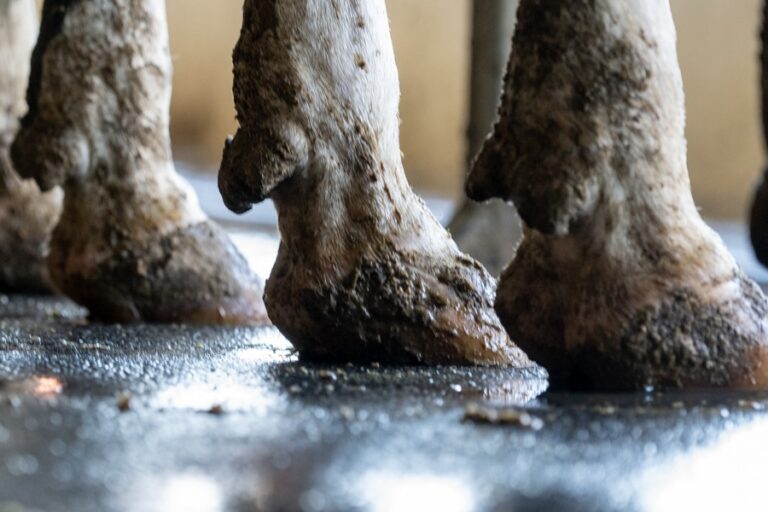
Structural failure and locomotion problems are among the most common drivers of involuntary sow removals in commercial systems. Lameness not only compromises sow welfare and productivity but also increases the likelihood of early culling and unplanned mortality.
Research summarized in commercial trials shows that sows and gilts receiving MINTREX® Bis-Chelated Trace Mineralsexperienced substantially lower involuntary culling rates, including reductions of up to 46% in removals due to locomotion, along with fewer foot lesions and improved gait scores. These outcomes suggest that supporting connective tissue, bone integrity, and hoof health can contribute meaningfully to sow endurance and retention.
Survivability as a strategic objective
Improving survivability requires a shift from reactive interventions to a more strategic long-term perspective. Addressing issues only after sows are already compromised limits the opportunity to improve retention. Building endurance from the beginning through appropriate nutritional and management strategies is essential to support long-term productivity.
As emphasized throughout the Sow Books, survivability is not in opposition to performance. On the contrary, it is a prerequisite for achieving consistent reproductive output and sustainable herd productivity.
Importantly, sow survivability cannot be separated from the survivability of her progeny. Maternal nutrition influences not only the sow’s own endurance, but also piglet robustness at birth and during lactation. Across trials, maternal supplementation with MINTREX® Bis-Chelated Trace Minerals has been associated with lower pre-weaning mortality, averaging approximately 0.6 percentage points reduction, alongside fewer low-birth-weight piglets and improved piglet vitality
These effects reinforce the concept of survivability as a system-level outcome — one that links sow longevity, piglet viability, and overall lifetime productivity.
Conclusion
Survivability and endurance have become defining challenges in modern sow production. High reproductive potential alone is no longer sufficient. The ability of sows to withstand repeated physiological demands and remain productive over time is equally critical.
By understanding survivability as a cumulative biologically driven process and by aligning nutritional strategies with the needs of modern hyperprolific sows, producers and nutritionists can improve retention, enhance lifetime productivity and strengthen the long-term sustainability of sow herds.
In this context, survivability should be viewed not as a reactive metric, but as a strategic objective. Nutritional decisions that support mineral bioavailability, structural resilience, and metabolic recovery form a foundational component of building endurance in modern sows and unlocking their full lifetime productive potential.
References
Book chapters (primary source)
Novus International, Inc. (2025). Nutrition and Production Strategies for Today’s Sows. Novus International, Inc.
- Palomo Yagüe, A. (2025). Sow mortality: a practical point of view. In Novus International, Inc., Nutrition and Production Strategies for Today’s Sows.
Field research and trials referenced in this article:
- Lawrence, B. V., et al. (2021). Effects of bis-chelated trace minerals on sow reproductive performance, longevity, and lifetime productivity under commercial production conditions. Journal of Animal Science, 99(Suppl. 1).
- Barea, R., et al. (2019). Use of organic trace minerals in sow diets: effects on longevity and litter performance.
- Zhao, J., et al. (2012). Improved retention rates, reduced culling for lameness, and enhanced lifetime reproductive performance in sows fed a chelated trace mineral blend. Journal of Animal Science, 90(Suppl. 4).
- NOVUS International, Inc. (2010–2023). Internal research on trace mineral nutrition, sow survivability, longevity, and lifetime productivity across commercial production systems. Unpublished internal data.

Intelligent Nutrition for Your Business
More science. More insight. More inspiration. More ways for you to feed the world.