


What Keeps a Cow Moving?
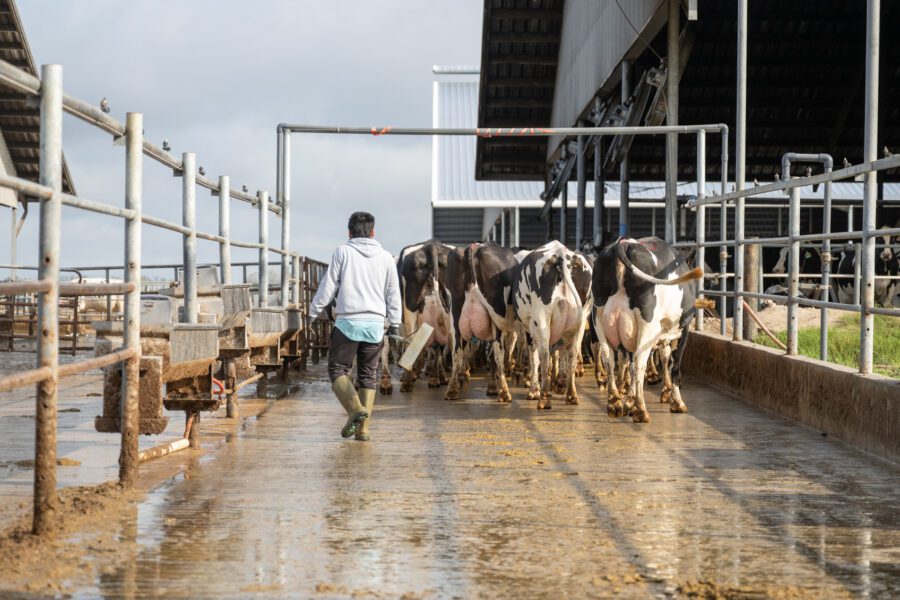
A dairy cow asks a lot from her legs every day.
She walks concrete alleys. She stands to eat. She stands to be milked. She gets up and lies down hundreds of times throughout a lactation. Every one of those movements places stress on the structures that support mobility.
When mobility problems show up in a herd, the hoof is often where producers look first. And for good reason. Hoof lesions, cracks and other visible issues can affect how comfortably a cow moves.
But mobility isn’t just a hoof issue.
A cow’s ability to move comfortably depends on the entire leg—from the hoof itself to the joints, cartilage and connective tissues that support every step.
That’s important because mobility challenges affect more than cow comfort. They can influence milk production, reproductive performance, labor efficiency, culling decisions and overall herd longevity.
Looking Beyond the Hoof
Most producers already invest in mobility management.
They trim hooves. They maintain footbaths. They improve cow comfort in stalls and pay attention to flooring.
Those practices matter.
But by the time a mobility issue becomes visible, the tissues that support movement have often been under stress for months.
That’s where nutrition enters the conversation.
The hoof, along with the tissues that support joints and movement, is built from the inside out. The nutrients available to the cow help determine how those tissues develop and respond to the daily demands of modern dairy production.
Building a Strong Foundation
Heather Tucker, Ph.D., Global Ruminant Technology Lead for NOVUS, compares the role of trace minerals to the rebar used in concrete construction.
Concrete provides the structure. Rebar provides reinforcement.
Without that reinforcement, a foundation becomes more vulnerable to stress over time.
The same principle applies to the tissues that support mobility.
“Minerals are laying the foundation for those tissues to be successful,” Tucker explains. “It’s not just about the hoof. It’s about supporting the tissues involved in movement, creating strength throughout the whole leg.”
That includes the hoof itself, as well as the collagen and cartilage that help support joints and movement throughout the leg.
Why Time Matters
One challenge with mobility is that improvements don’t happen overnight.
Hoof tissue develops slowly. Like a fingernail, it forms from the inside before it becomes visible on the outside.
That means nutritional decisions made today may influence what producers see months from now.
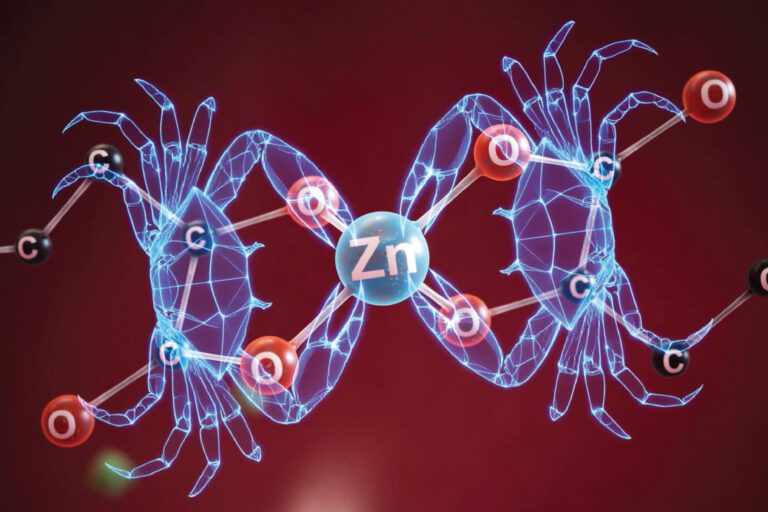
Research evaluating chelated zinc, copper and manganese supplementation found cows and researchers observed harder hoof tissue (Bach et al., 2015) compared to cows receiving sulfate mineral sources with improvements noticeable at 90 days and even greater at 180 days. Researchers also observed improvements in antioxidant status, immune response, collagen and cartilage markers.
The lesson is simple: supporting healthy tissue development takes time. .
The Business Impact of Mobility
Mobility is more than an animal health issue. It’s a herd performance issue.
In a study involving 27 dairy herds totaling 2,880 cows, researchers observed animals receiving chelated trace minerals had a lower risk of being culled due to lameness and greater odds of becoming pregnant at first service compared to cows receiving inorganic trace minerals when receiving chelated trace minerals for at least 30 days(Bach et al., 2015)
- Another field program evaluating methionine hydroxy analogue, chelated trace minerals and antioxidants researchers reported (Conti et al., 2010))• 9% greater milk production
- Fewer observed hoof injuries
- Fewer cows with elevated locomotion scores
(Results reflect the conditions of that evaluation and may vary among herds.)
While no nutritional program replaces good management, these results highlight the role nutrition can play alongside trimming, housing and footbath programs.
The Bottom Line
When mobility problems appear, it’s easy to focus on the feet. But what keeps a cow moving is much bigger than the hoof alone.
Every step depends on a system of tissues working together, from the hoof to the joints and connective tissues throughout the leg. Supporting those tissues starts long before a cow enters the trim chute.
The strongest mobility programs combine sound management with nutritional strategies that help build stronger tissues from the inside out.
How Does Your Mobility Program Measure Up?
Download the On-Farm Mobility Checklist to evaluate the management and nutrition factors that may be influencing mobility on your farm.
Use it to identify opportunities to support stronger hooves, better mobility and long-term herd performance.
Download the checklist and start building a stronger foundation for mobility today.

Intelligent Nutrition for Your Business
More science. More insight. More inspiration. More ways for you to feed the world.